

Small Cable Defects Can Disrupt the Entire Door’s Lifting System
A garage door cable may look like a small component, but it carries a significant share of the door’s lifting load. When its steel strands begin to fray, or the cable slips out of the drum grooves, the door can become uneven, jam, or lose support on one side.
Property owners experiencing these problems can explore garage door repair in Aloha OR through All About Garage Doors’ garage door repair services. Recognizing the early warning signs and understanding what causes cable damage can help prevent a relatively contained problem from affecting additional hardware.
Most sectional garage doors use two lifting cables, one on each side. Each cable connects near the bottom of the door, travels upward beside the track, and winds around a grooved cable drum attached to the torsion shaft. As the spring system turns the shaft, the drums wind or unwind the cables, helping raise and lower the door evenly. If one cable becomes damaged or loses its position on the drum, the two sides may no longer lift at the same rate.
Why Garage Door Cables Begin to Fray
Repeated movement is one of the main reasons lifting cables wear. Each opening and closing cycle causes the cable to bend around the drum and move along its operating path. Over time, this repeated flexing can fatigue individual strands, particularly near connection points or areas where the cable repeatedly contacts hardware. A cable may look acceptable from a distance, even as small broken strands are already forming.
Friction can accelerate that deterioration. A damaged drum groove, a rough edge, a misaligned component, or a poorly positioned cable can create concentrated contact, preventing the cable from winding smoothly. If the cable rubs against a bracket or another metal surface during operation, the repeated contact can wear through its outer strands. A cable that has developed kinks, flattened sections, or visible separation should not be treated as a minor cosmetic issue.
Corrosion is another possible contributor. Moisture exposure and deteriorating protective coatings can allow rust to develop on steel cable strands. Corrosion can weaken the wire, reducing its flexibility as it bends around the drum. In areas where garage hardware is regularly exposed to moisture, periodic visual inspections can help detect deterioration before the cable fails.
How Further Damage Can Be Prevented
The most important precaution is to stop operating a door when a lifting cable is visibly frayed, slack, or off its drum. Continued use can pull the cable farther out of position, worsen the door’s alignment, or place additional stress on the remaining cable and connected hardware. If the door is crooked, partly open, or hanging unevenly, people and vehicles should be kept clear of the opening. The door should be left in its current position until a trained technician can assess it.
Homeowners should not attempt to rewind the cable, loosen the drum, adjust the bottom brackets, or release spring tension. These components are connected to a high-energy counterbalance system, and an unexpected movement can cause serious injury. Pulling the emergency release is also not a suitable first response when the door is unstable, because disconnecting the opener may remove a restraint without correcting the door’s imbalance.
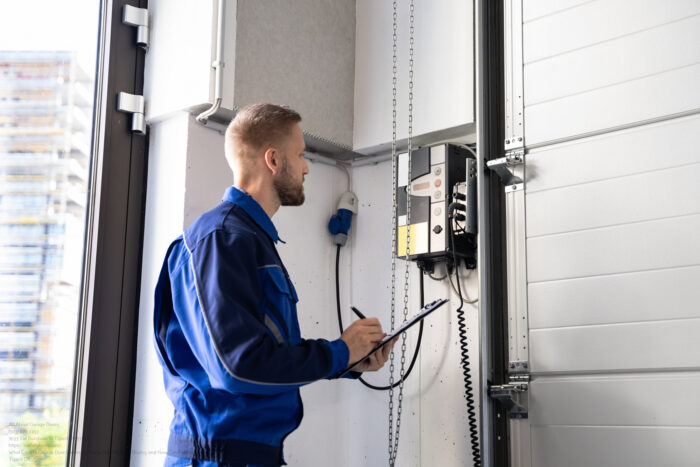
Routine visual checks can help identify developing wear before a cable slips or breaks. The Door & Access Systems Manufacturers Association (DASMA) advises homeowners to look for frayed or worn cables. Still, it states that a trained technician should handle cable replacement due to the dangers associated with spring tension. Its garage door safety tips also recommend regular system maintenance and attention to smooth door movement. These checks should remain visual; damaged cables and their connected hardware should not be touched or adjusted.
Is a Garage Door Cable Frayed or Slipping Off Its Drum?
Contact All About Garage Doors to discuss professional garage door repair.
What Makes a Garage Door Cable Slip Off its Drum?
A cable usually leaves its drum because the winding system is no longer maintaining the correct alignment or tension. One common cause is uneven door movement. If one side rises or lowers faster than the other, the cable may lose its proper position in the drum grooves and begin to bunch or unwind incorrectly. The door can then hang at an angle, increasing the risk of further damage to the tracks and rollers.
A broken or weakened spring can also contribute to cable displacement. The spring system provides the counterbalancing force that helps control the door’s weight. If a spring fails, the load distribution changes, and the cables may experience abnormal tension. In some cases, a cable can slip off after the door becomes unbalanced or moves unevenly. This is one reason cable problems should not be treated as isolated faults without considering the condition of the springs.
Impact and mechanical obstruction can create similar problems. A vehicle striking the door, a door catching on a damaged track, or a roller leaving its intended path can disturb the alignment of the lifting system. Loose or damaged drum hardware may also affect cable tracking. Simply placing the cable back onto the drum without correcting the underlying cause can cause the same problem to recur.
Warning Signs that Should Not Be Ignored
Cable damage is not always obvious during ordinary door operation. However, several visible or audible changes can suggest that the lifting system needs attention. A cable may show loose wire strands, rust, kinks, or a section that appears thinner than the rest. On the affected side, it may also hang slack or form an unusual loop near the drum.
The door’s movement can provide additional clues. One corner may sit lower than the other, the door may look crooked in the opening, or the rollers may appear to bind against the tracks. A sudden bang can accompany a spring or cable failure, although the sound alone cannot identify which component has broken. A garage door that begins moving unevenly should not be repeatedly operated to see whether it corrects itself.
A new opener does not eliminate the possibility of cable trouble. Even a brand-new chain-drive opener installed on a 20-year-old door still depends on the condition of the original cables, drums, springs, tracks, and door structure. Garage door opener problems can sometimes be traced to a door that is no longer moving freely, rather than a defect in the opener itself. The door’s age and the recent installation of an opener are useful details for a technician, but neither establishes the cause without examining the lifting system.
When Cable Damage Calls for Broader Garage Door Repair
Sometimes cable damage is only one part of a larger mechanical problem. A door operating with a failing cable may have developed track misalignment, damaged rollers, bent brackets, or panel stress. If the door has come partly off its tracks, forcing it back into position can cause further damage. The extent of the problem determines whether cable replacement is sufficient or whether additional garage door repair is necessary.
The opener should also be considered, but it should not automatically be blamed for a cable failure. An opener may experience extra strain when a door becomes unbalanced or begins binding. A newer chain-drive system can still encounter operating difficulties if the door’s counterbalance components are worn. Replacing an opener without correcting a cable, spring, or track problem will not restore proper door movement.
For older systems, including a 20-year-old door, the condition of the entire assembly can influence the repair decision. Age alone does not mean replacement is necessary, but deteriorated cables, worn drums, damaged panels, and obsolete hardware may make a broader repair more practical. A garage door consultation can help establish the extent of the damage and clarify which components require attention. Property owners with financial concerns can request an explanation of the recommended work and its scope before deciding how to proceed. Requests for same-day garage door repair should also specify whether the door is crooked, stuck, or has a loose cable, as these details help convey the urgency of the problem. Service availability should be confirmed directly rather than assumed.
Keeping the Lifting System in Better Condition
Preventing cable damage starts with maintaining the door as a complete system. Regular visual checks can reveal rust, broken strands, loose hardware, or changes in the door’s movement. The tracks and surrounding area should remain clear of objects that could obstruct travel, while any lubrication should follow the door and opener manufacturers’ instructions. Lubricant should never be used as a substitute for replacing a damaged cable or correcting a mechanical fault.
Changes after other garage door work also deserve attention. Following garage door installation, spring replacement, or opener replacement, the door should operate smoothly with its lifting components correctly matched and aligned. If a door becomes noisy, jerky, or uneven after an adjustment or repair, the change should be reported instead of ignored. A well-maintained opener cannot compensate for a deteriorating cable system.
Contact All About Garage Doors for Garage Door Repair in Aloha OR
Frayed cables and cables that slip off their drums are signs that the garage door’s lifting system needs attention. Continuing to operate the door can turn a cable problem into damage involving the drums, springs, tracks, or door panels. Leaving the door undisturbed and arranging an appropriate repair is the safer course when cable damage or uneven movement is visible.
All About Garage Doors provides garage door repair services to property owners experiencing mechanical problems affecting door operation. Property owners seeking garage door repair in Aloha OR can contact the company to describe the cable condition, door position, and any unusual movement so the appropriate service can be discussed.
Is a Garage Door Cable Frayed or Slipping Off Its Drum?
Contact All About Garage Doors to discuss professional garage door repair.